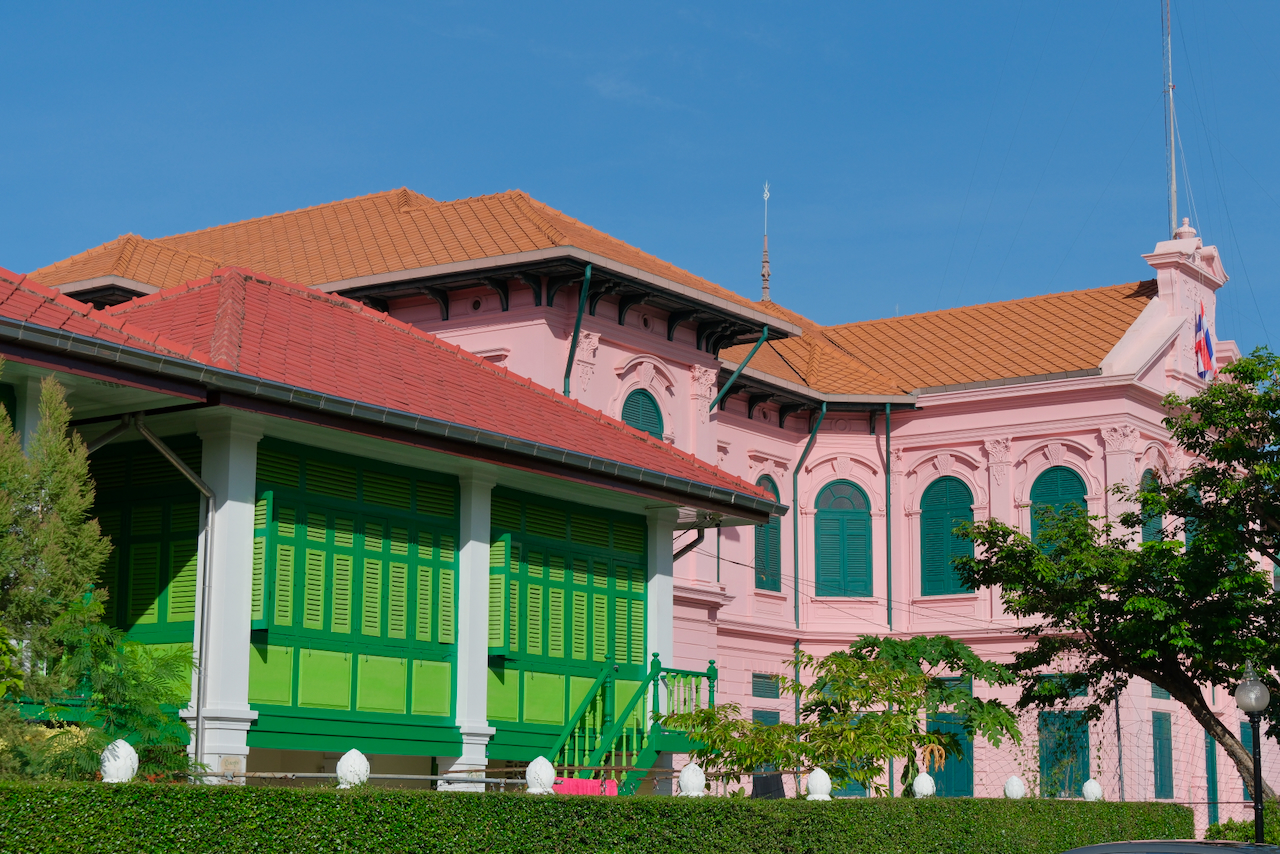
Known around the world as Wat Benchamabophit Dusitvanaram, or simply the Marble Temple, this elegant royal temple is one of Bangkok’s most photographed landmarks. Built during the reign of King Chulalongkorn (Rama V), the temple is celebrated for its stunning Italian Carrara marble, graceful Thai architecture, ornate gables, and peaceful courtyards. Blending traditional Thai craftsmanship with European influences, Wat Benchamabophit is a must-visit destination for travellers interested in Bangkok’s cultural heritage, Buddhist temples, and architectural photography.
My photographs explore both the grand beauty and the quieter details of the Marble Temple—from the gleaming white marble reflecting the changing light to the intricate carvings, golden Buddha images, monks going about their daily routines, and the tranquil cloisters lined with bronze Buddha statues. Whether visited in the soft light of early morning or beneath dramatic afternoon skies, Wat Benchamabophit offers endless opportunities for travel photography, street photography, and cultural storytelling, making it one of the most rewarding temples to photograph in Bangkok.
Visitor Information
Opening Hours: 08:00–17:30 daily
Entrance Fee: Baht 100 per person (foreign visitors)
Dress Code: Modest attire is required. Shoulders and knees should be covered, and visitors should remove hats before entering temple buildings.
Location: Si Ayutthaya Road, Dusit District, Bangkok
Getting There:
- By BTS: Take the BTS Skytrain to Victory Monument Station, then short taxi or bus ride to the temple. Alternatively, you can take bus – proceed to Exit 2, walk to the bus stop and take the number 4-69, 59-(1-8), both routes operate AC (air-conditioned) and REG (non-aircon) buses, but suggest taking the first one that arrives.
- By Taxi or Grab: Easily accessible from most parts of Bangkok, particularly the Old Town, Siam, Sukhumvit, and Silom areas.
Photography Tips: The best time to photograph Wat Benchamabophit is shortly after opening, when the marble glows in the warm morning light and visitor numbers are relatively low. Wide-angle lenses work well for capturing the temple’s impressive symmetry, while telephoto lenses are ideal for isolating architectural details and candid moments around the grounds. After rainfall, reflections on the polished marble create particularly striking compositions.